 EN
EN  AR
AR NL
NL FR
FR HI
HI KO
KO PT
PT RU
RU ES
ES TL
TL ID
ID VI
VI TH
TH TR
TR MS
MS SW
SW UR
UR BN
BN HA
HA KM
KM LO
LO PA
PA YO
YO MY
MY SI
SI AM
AM
Food packaging, metal fabrication, electronics production and pharmaceutical manufacturing-all industries require a consistent supply of nitrogen every day. For decades, a steady stream has been delivered by tanks of liquid nitrogen and gas cylinders. These methods still perform well but have inherent drawbacks-delivery and logistics management, space for gas storage, increasing transport expenses and the potential for exhausting inventory during periods of peak production. The solution is on-site nitrogen generation. Instead of relying on gas suppliers and delivery, manufacturers and companies now produce the nitrogen they need at the moment it is required, improving operational flexibility and reducing operating expenses in the long run.
I'm ready for the first subtitle. Send it over, and I'll write a natural, original article of about 300 words that follows the same style and requirements. 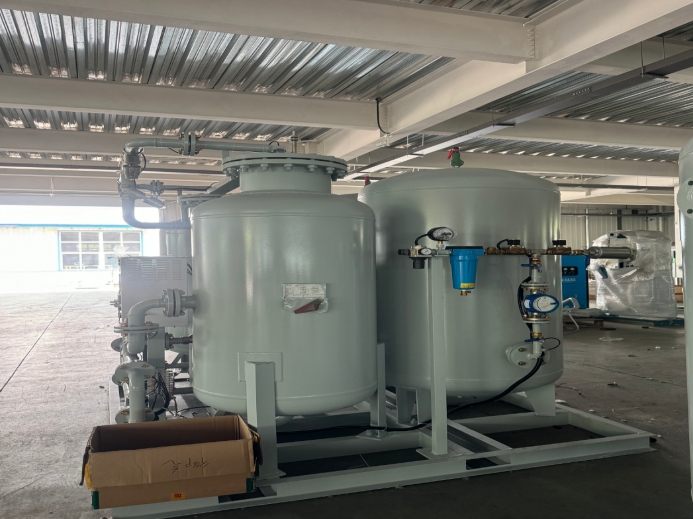
Safety Risks of Liquid Nitrogen Tank and Cylinder Nitrogen Storage
Liquid Ang generator nitrogen tanks and high-pressure nitrogen cylinders have supplied industrial gas for many years, but they also bring safety concerns that should not be ignored. Knowing these risks helps businesses make better decisions about their gas supply and create a safer workplace.
Liquid nitrogen is stored at an extremely low temperature. Direct contact with the liquid or even cold metal surfaces can cause severe cold burns in just a few seconds. Workers handling storage tanks need proper protective gloves, face shields, and training to reduce the chance of injury. Small mistakes during filling or maintenance can lead to painful accidents.
Nitrogen cylinders come with a different set of hazards. Because the gas is stored under very high pressure, a damaged valve or an improperly secured cylinder can become dangerous. A cylinder that falls over or is hit by equipment may release gas suddenly, creating enough force to turn it into a serious workplace hazard. Safe storage, regular inspections, and careful handling are all part of daily safety management.
Another concern is oxygen displacement. Nitrogen is colorless, odorless, and non-toxic, but when it leaks into an enclosed area, it can reduce oxygen levels without warning. Workers may not notice the problem until they begin to feel dizzy or short of breath. For this reason, many facilities install oxygen monitoring systems and make sure storage areas have good ventilation.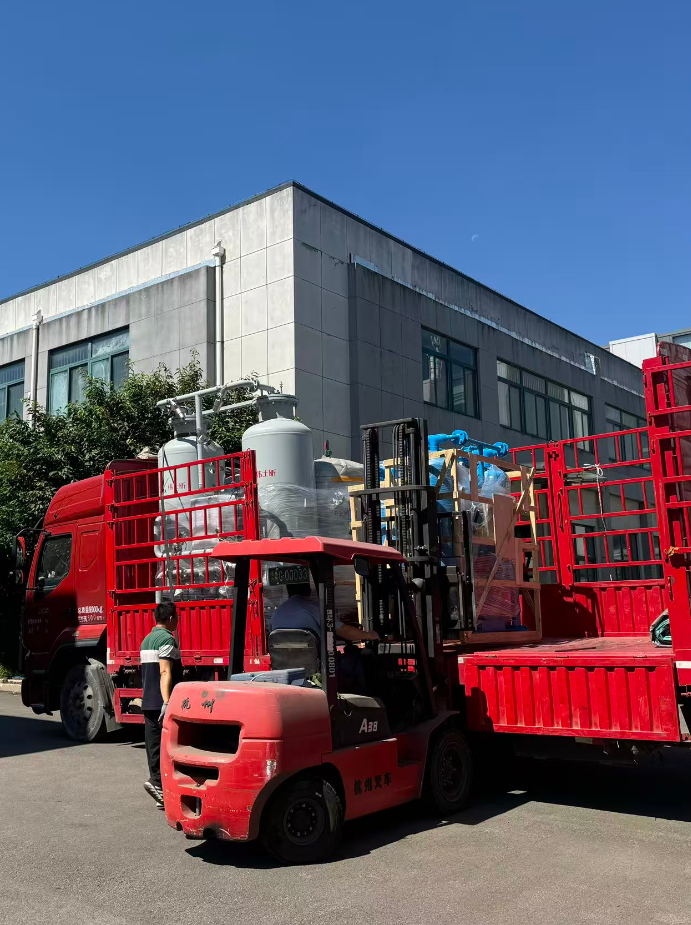
Storage also requires space and routine inspections. Tanks and cylinders need designated areas that meet local safety rules. Businesses must check for leaks, monitor pressure levels, and keep equipment in good condition. As production grows, managing larger numbers of cylinders or bigger storage tanks often means more inspections and more time spent on safety tasks.
On-site nitrogen generators remove many of these storage-related concerns because they produce nitrogen only when it is needed. There is no need to keep large amounts of liquid nitrogen or dozens of high-pressure cylinders on site. While every nitrogen system still requires proper operation and regular maintenance, reducing stored gas can simplify safety management and lower several common workplace risks.
Feel free to send the next subtitle, and I'll continue with another ~300-word section in the same style.
Stable Supply Advantage of Continuous On-site Nitrogen Generator Operation
A reliable nitrogen supply keeps production moving. Even a short interruption can delay packaging, slow manufacturing, or stop an entire production line. This is one reason many factories are moving from delivered nitrogen to on-site nitrogen generators that produce gas whenever it is needed.
An on-site nitrogen generator works continuously by separating nitrogen from compressed air. As long as the system has power and a stable compressed air source, it can keep producing Nitroheno nga makina throughout the day. This gives manufacturers greater control over their gas supply instead of depending on delivery schedules or waiting for replacement cylinders.
This steady supply is especially helpful for businesses with changing production demands. During busy seasons, nitrogen consumption may increase without much warning. With bottled or liquid nitrogen, managers must estimate future demand and order enough gas in advance. Ordering too little can lead to unexpected shortages, while ordering too much increases storage requirements and ties up extra money in unused inventory. An on-site system allows production to match actual demand more closely.
For example, a food packaging company may receive a large customer order that requires extra production over several weeks. Instead of arranging additional nitrogen deliveries, the factory can operate its generator for longer hours or adjust its output to support the increased workload. This flexibility helps reduce delays and keeps production plans on schedule.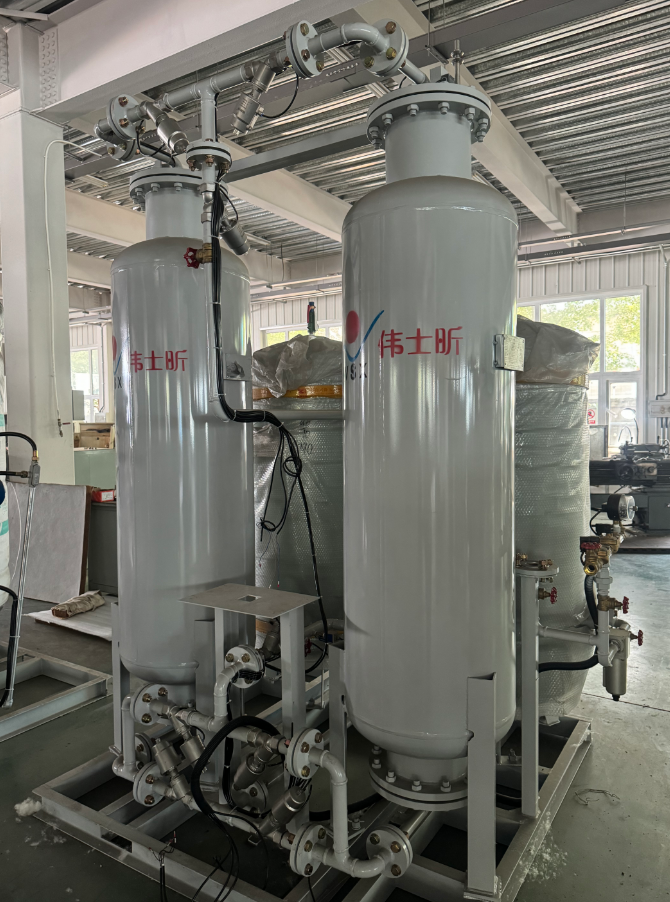
Many modern nitrogen generators also include monitoring and control features that allow operators to check purity, pressure, and system performance in real time. Regular maintenance, such as replacing filters, checking air quality, and inspecting key components, helps keep the generator running smoothly and reduces the chance of unexpected downtime.
A continuous on-site nitrogen supply does not remove the need for good maintenance practices, but it gives manufacturers more control over their operations. By producing nitrogen whenever it is required, businesses can reduce supply interruptions, respond more easily to changing production needs, and build a more reliable manufacturing process over the long term.
Send the next subtitle whenever you're ready, and I'll continue with another 300-word section in the same style.
Space Occupancy Difference Between Nitrogen Equipment and Nitrogen Storage Tanks
Floor space is valuable in any factory. Every square meter used for storage is space that cannot be used for production, assembly, or future expansion. When comparing on-site nitrogen generators with liquid nitrogen tanks or large numbers of gas cylinders, the amount of space required often becomes an important part of the decision.
Liquid nitrogen storage tanks need a dedicated installation area with enough room for safe access, inspections, and refilling by delivery vehicles. Safety clearances around the tank must also be maintained according to local regulations and site requirements. If a factory uses cylinder nitrogen, storage becomes more demanding as production grows. Full and empty cylinders are usually stored separately, and enough space is needed for safe movement and replacement.
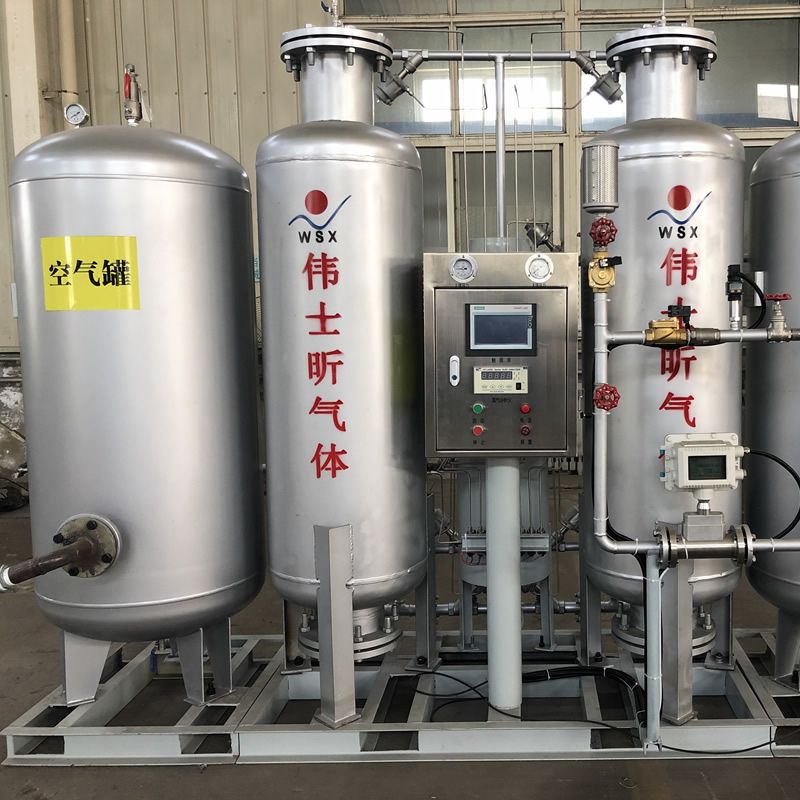
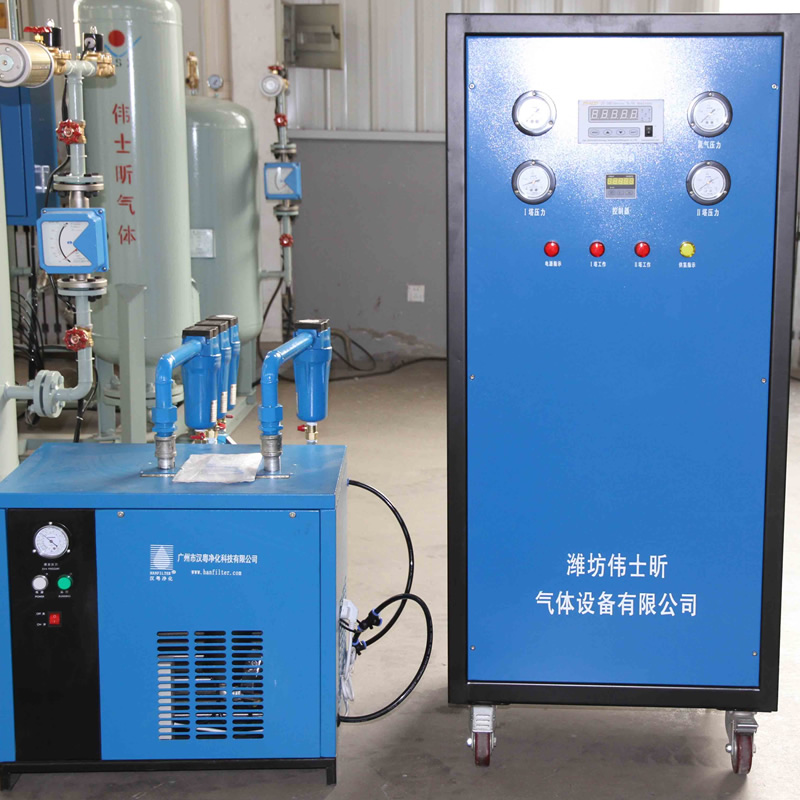
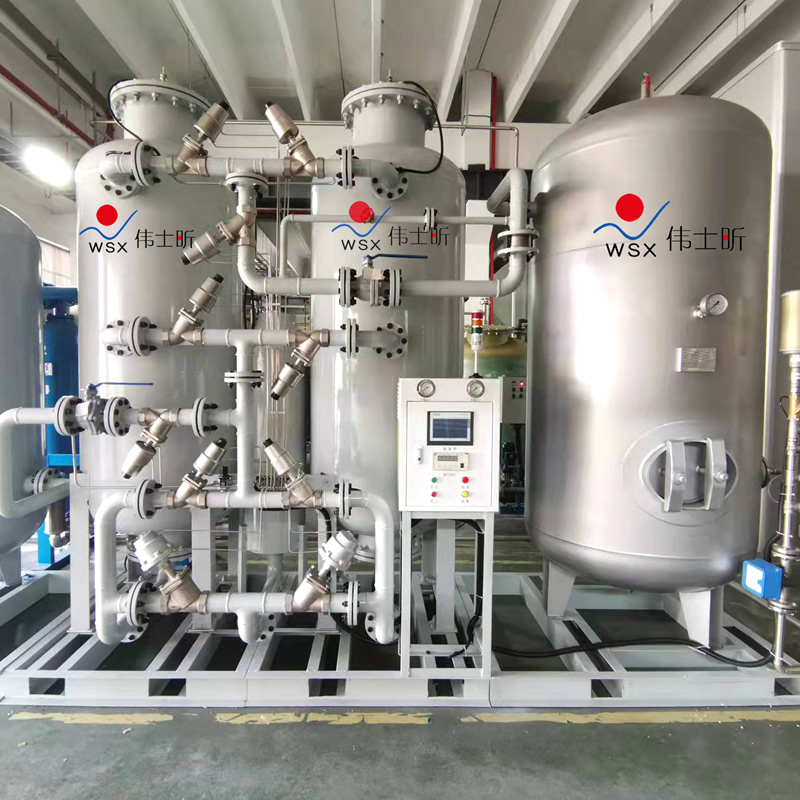
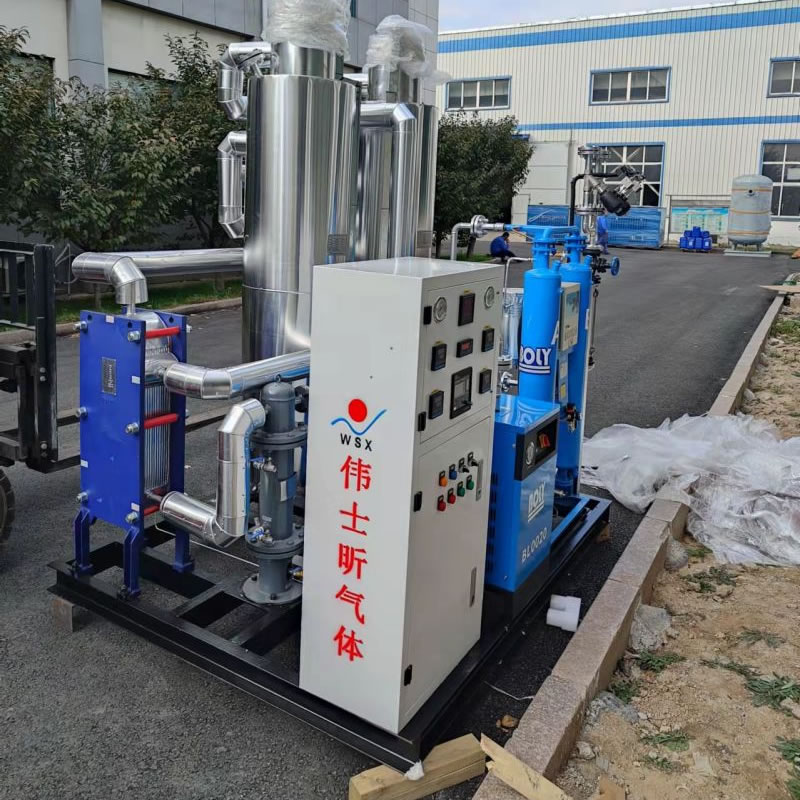
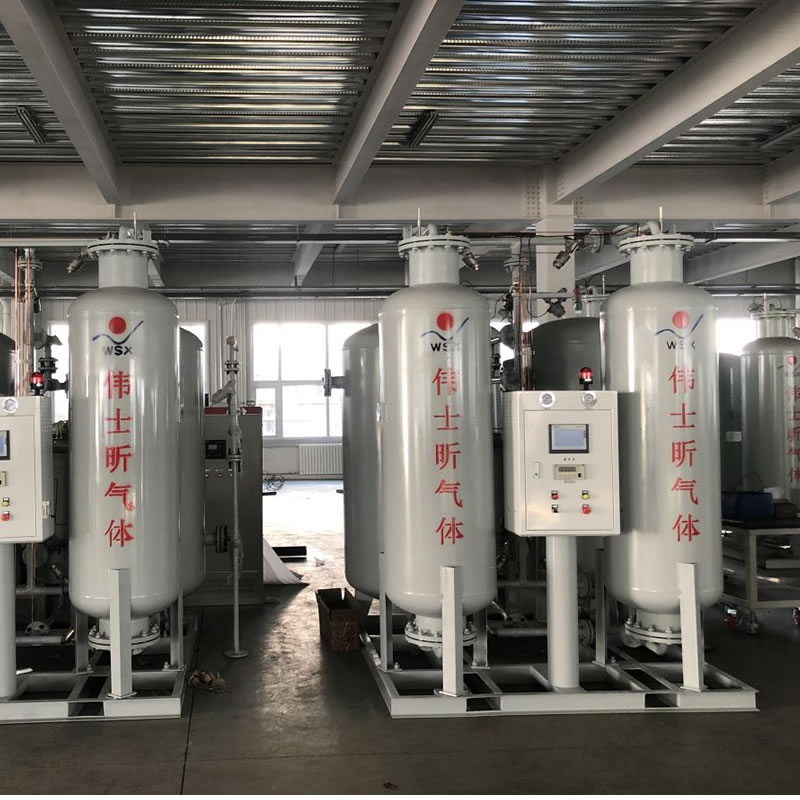
An on-site nitrogen generator brings together the main equipment in one system. Depending on the required nitrogen flow rate, the setup usually includes an air compressor, air treatment equipment, nitrogen generator, storage tank, and control system. These components can often be arranged in a compact equipment room or production area, making better use of available space. Many manufacturers also offer skid-mounted systems that keep the equipment organized and simplify installation.
Think about a factory that plans to add another packaging line. If a large outdoor area is already occupied by nitrogen storage tanks or a growing cylinder storage zone, expanding production may become more difficult. A compact nitrogen generation system can free up valuable space that can instead be used for new machinery, material handling, or warehouse improvements.
Space planning should also include future growth. A business that expects higher nitrogen demand over the next few years may benefit from a system that can be expanded with additional generator modules instead of increasing the number of storage tanks or cylinders. This approach can make future upgrades easier while keeping the site organized.
Every factory has a different layout, so there is no single solution for everyone. Looking at available space, production plans, safety requirements, and maintenance access together will help businesses choose the nitrogen supply method that best fits both current operations and future expansion.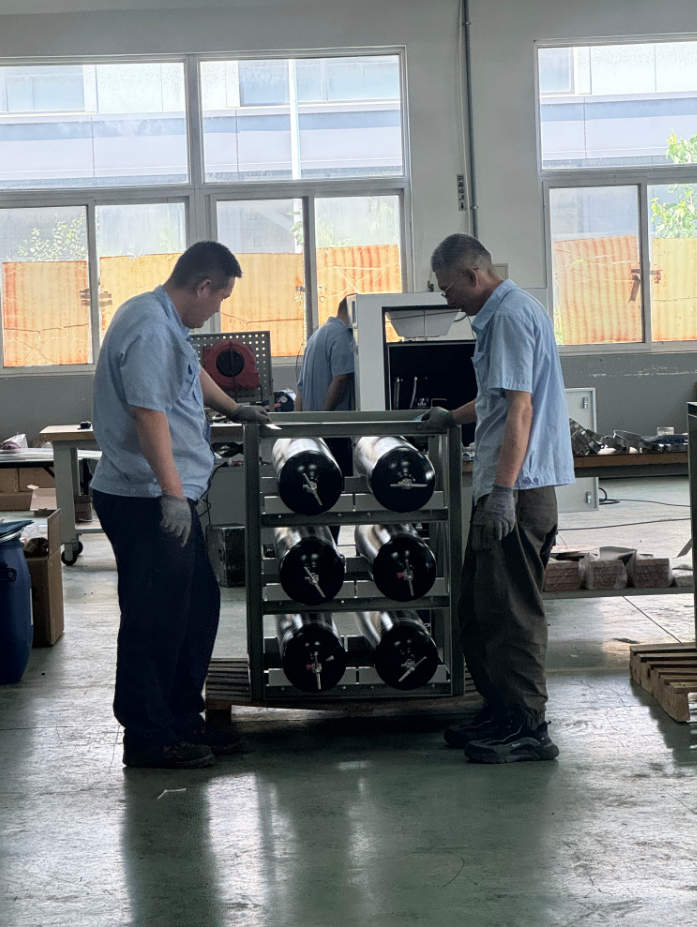
Environmental Protection Advantages of Zero Secondary Transportation Waste
Many companies are looking for practical ways to reduce their environmental impact without changing their core production process. The way nitrogen is supplied may seem like a small detail, but it can make a meaningful difference over time. Producing nitrogen on-site removes the need for regular gas deliveries, helping reduce transportation-related emissions and unnecessary waste.
When a factory relies on liquid nitrogen or bottled nitrogen, gas must be produced at a separate facility, loaded onto trucks, and transported to the customer. These deliveries may happen every few days, every week, or even more often, depending on production demand. Each trip uses fuel, creates vehicle emissions, and adds traffic to local roads. If weather conditions or transportation delays occur, extra trips or emergency deliveries may also be needed.
An on-site nitrogen generator produces nitrogen where it is used. Once the system is installed, routine gas deliveries are no longer part of normal operations. This removes the repeated transportation cycle that comes with traditional Nitrogen gas generator supply. For factories that consume large amounts of nitrogen throughout the year, the reduction in truck deliveries can be significant.
There is also less packaging waste to manage. Bottled nitrogen requires steel cylinders that must be transported, collected, inspected, and refilled. Although cylinders are reused many times, moving them back and forth still requires energy and logistics. On-site generation simplifies this process by producing nitrogen directly from compressed air, reducing the need for frequent handling and transportation of gas containers.
For example, a food packaging plant operating every day may previously have received several nitrogen deliveries each month. After switching to an on-site generator, those regular truck visits are no longer necessary. The production team spends less time coordinating deliveries, and the business reduces fuel use associated with transportation.
On-site nitrogen generation is not a complete environmental solution on its own. The equipment still uses electricity and should be operated efficiently to achieve the best results. Even so, cutting out repeated gas transportation and reducing dependence on delivered cylinders or liquid nitrogen can help businesses lower their overall environmental footprint while supporting more sustainable daily operations.
Kaundan
Ang Wei Fang Wei Shi Xin Gas Equipment Co., Ltd. natukod niadtong Hulyo 2003. Nahimutang kini sa No. 5111 Yingqian Street, Weifang National High-tech Development Zone, Shan Dong Province. Ang kompanya naglangkob sa usa ka lugar nga 20000 metro kwadrado ug adunay gilapdon nga building nga 11,000 metro kwadrado. Kini usa ka espesyalisadong kompanya nga espesyalista sa panukiduki ug pagpalambo sa produksiyon sa pressure swing adsorption ug membrane separation nitrogen, oxygen ug gas boosting, purification ug uban pang kagamitan.